sharon Wismer, PhD
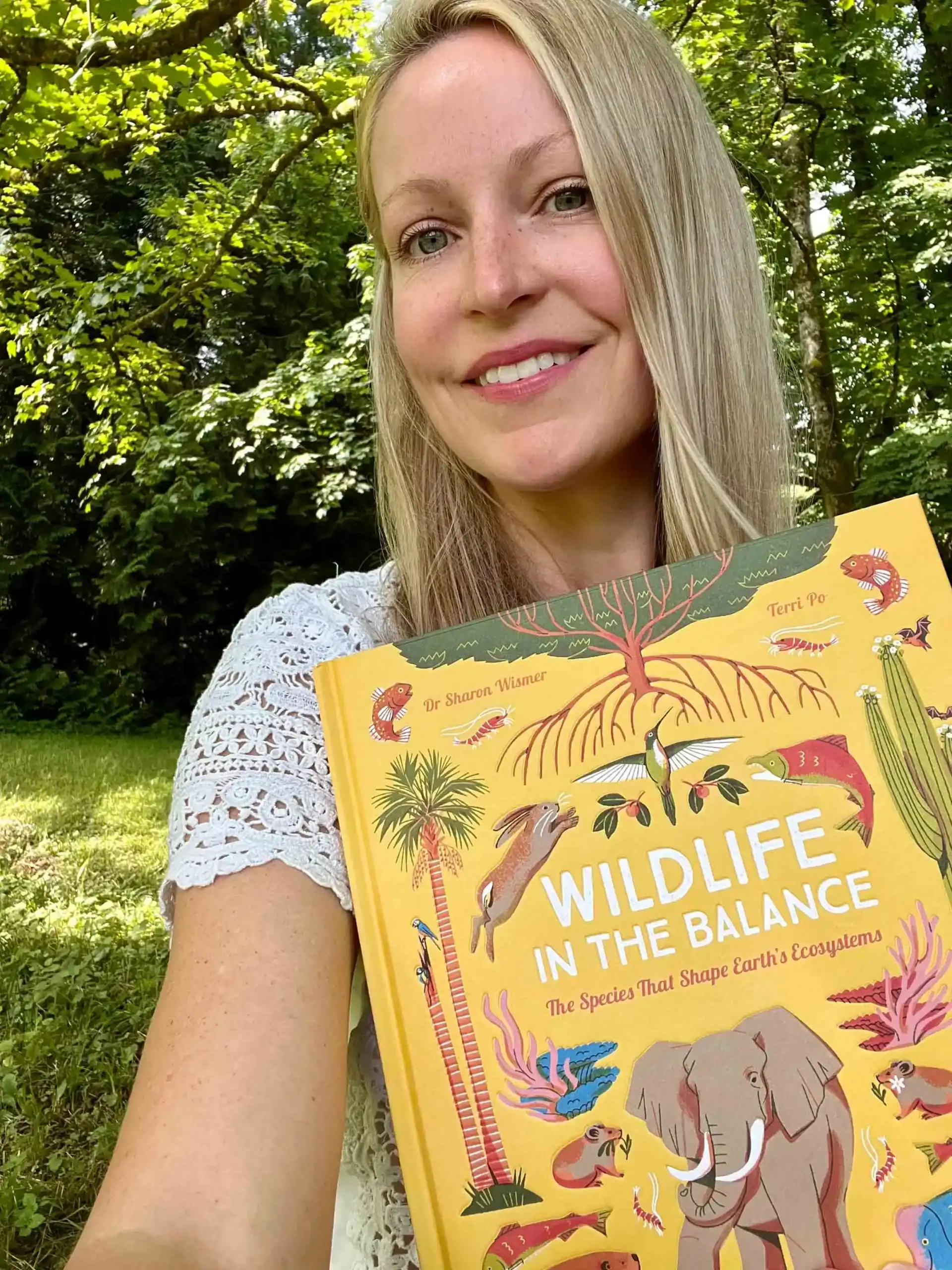
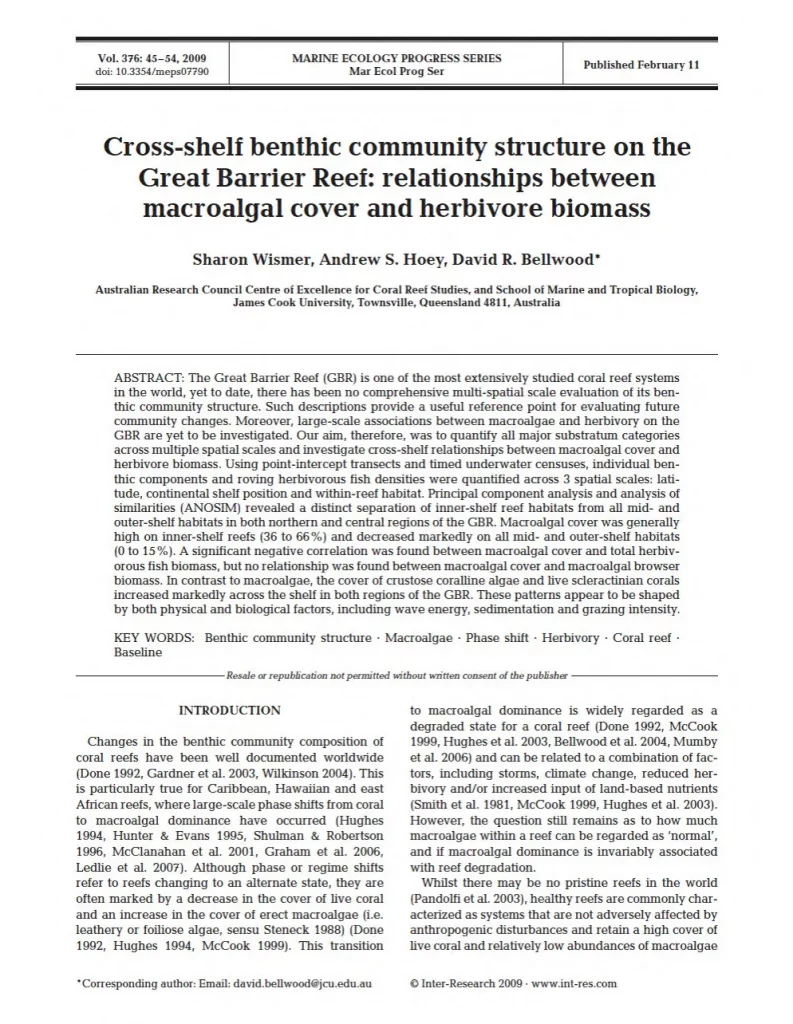
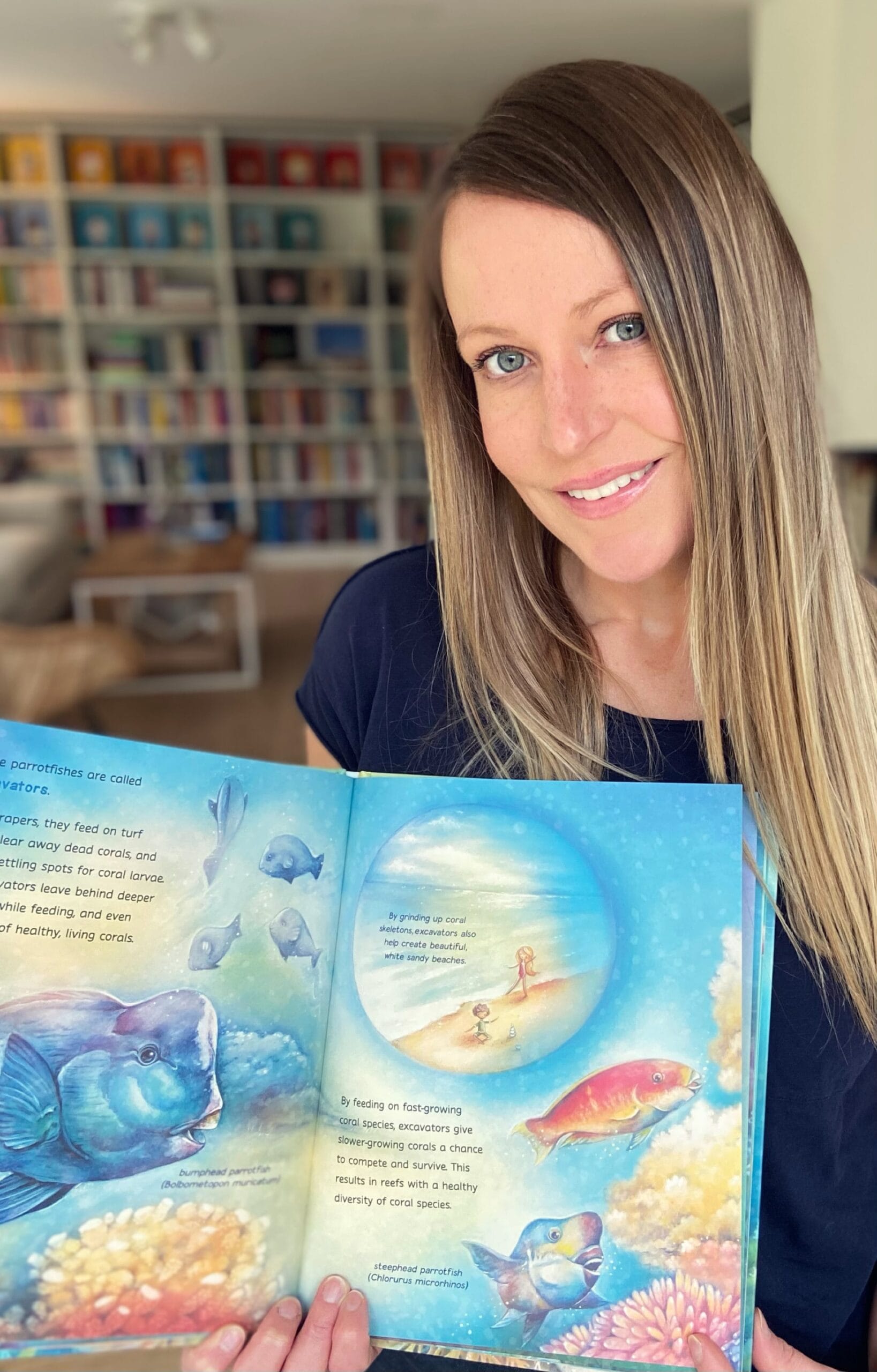
I am a marine ecologist and live in Switzerland with my husband, two children and a lively bunch of pets! I’m passionate about sharing the wonders of science and nature with kids, which inspired my shift from academic research to science communication. My background in academia and research focused on tropical coral reefs, climate change, cooperation and fish behaviour on the Great Barrier Reef. As a children’s non-fiction author, my goal is to make science and emerging research fun and accessible and to inspire the next generation of young naturalists.
education

BSc in
Marine Biology

MSc in
Animal Behaviour

PhD in
Behavioural Ecology
Research
1. Postgraduate research
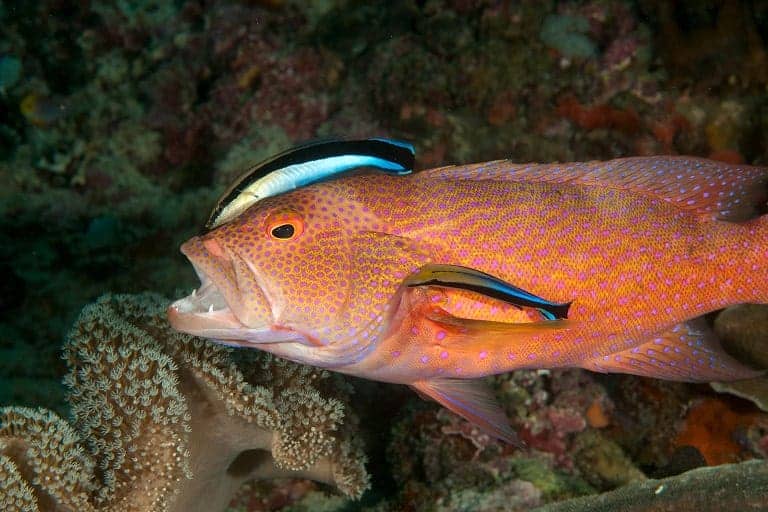
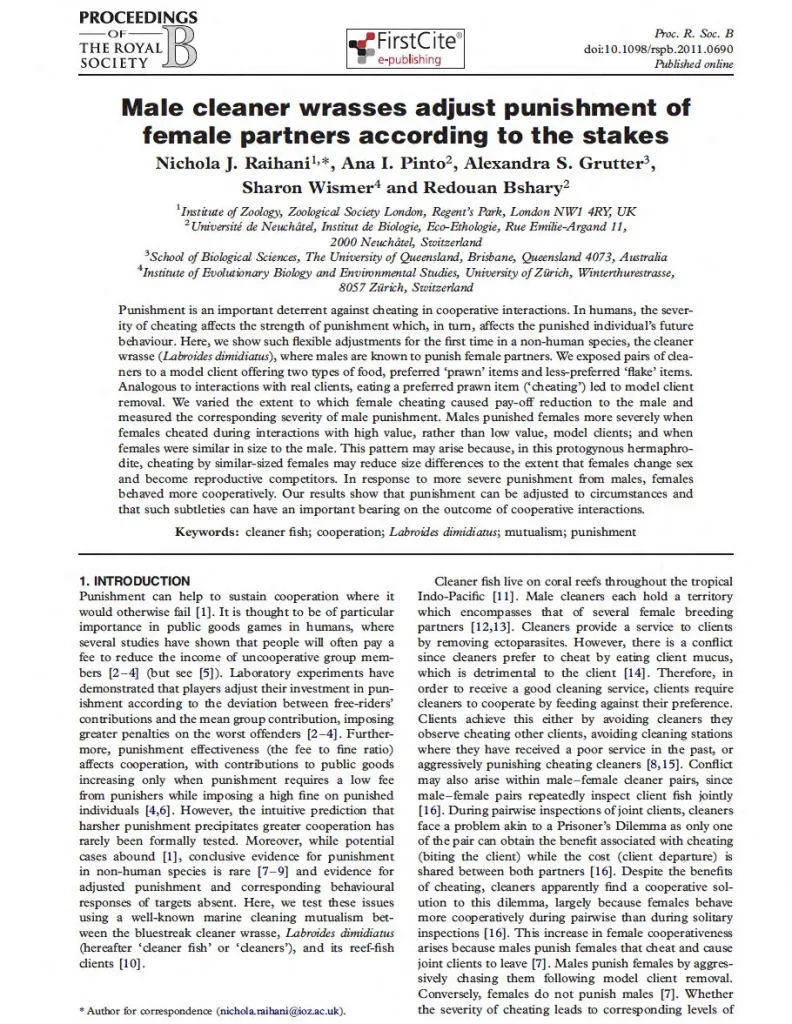
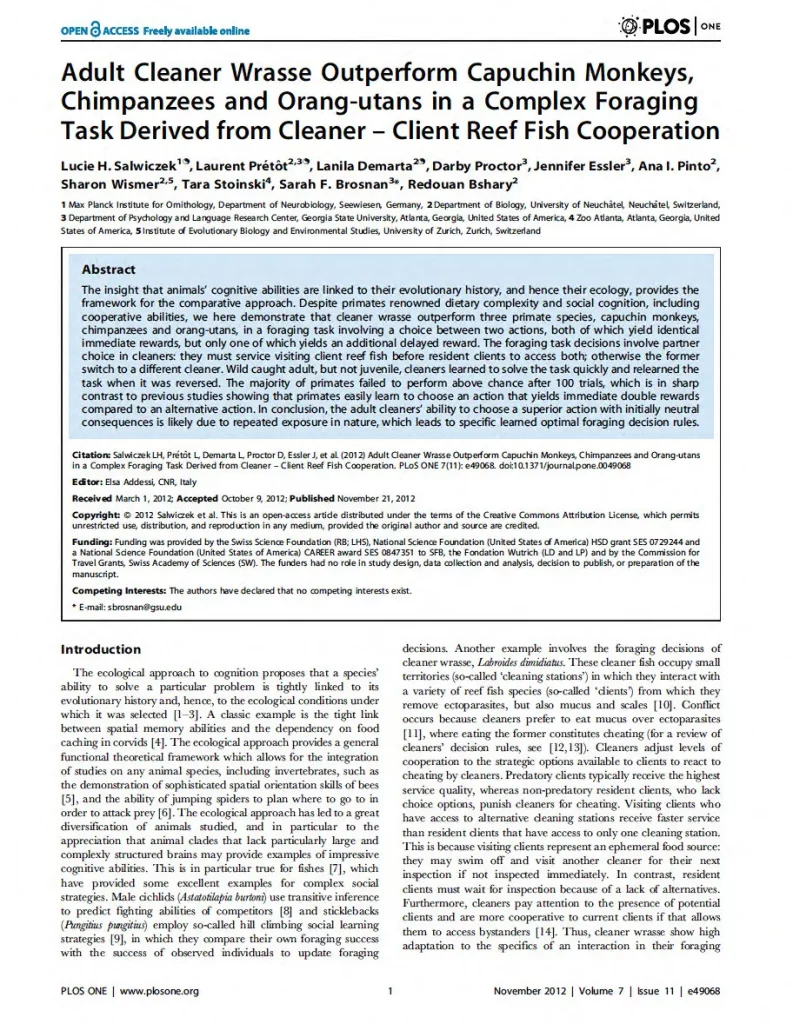
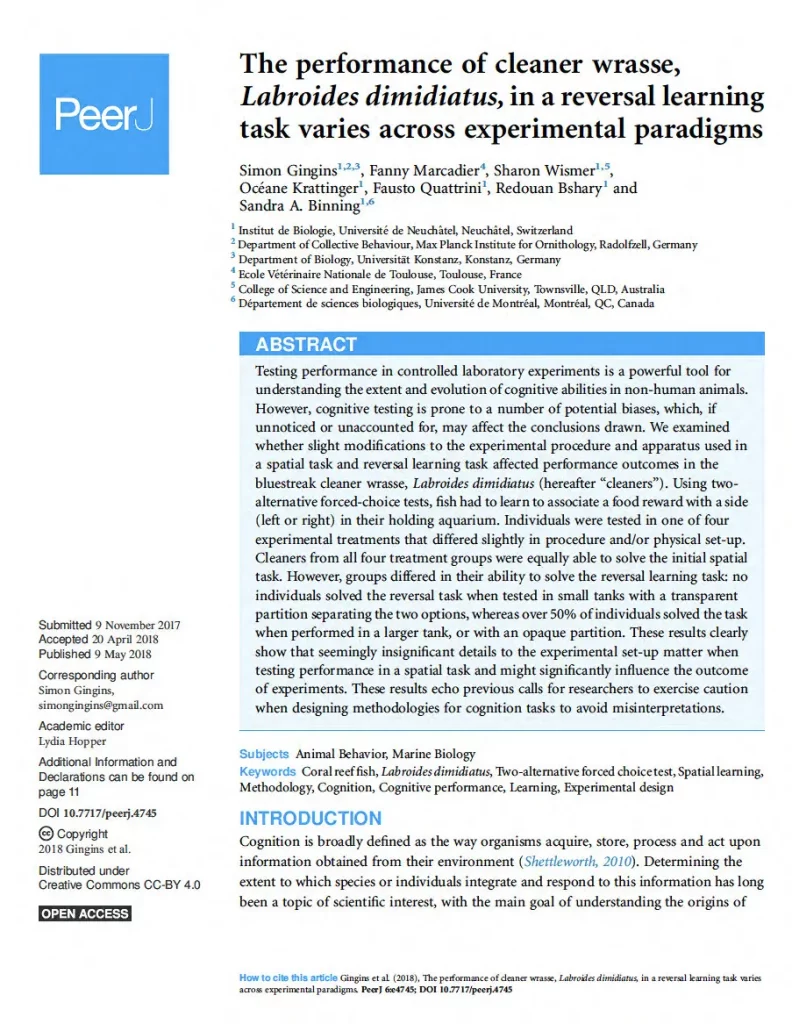
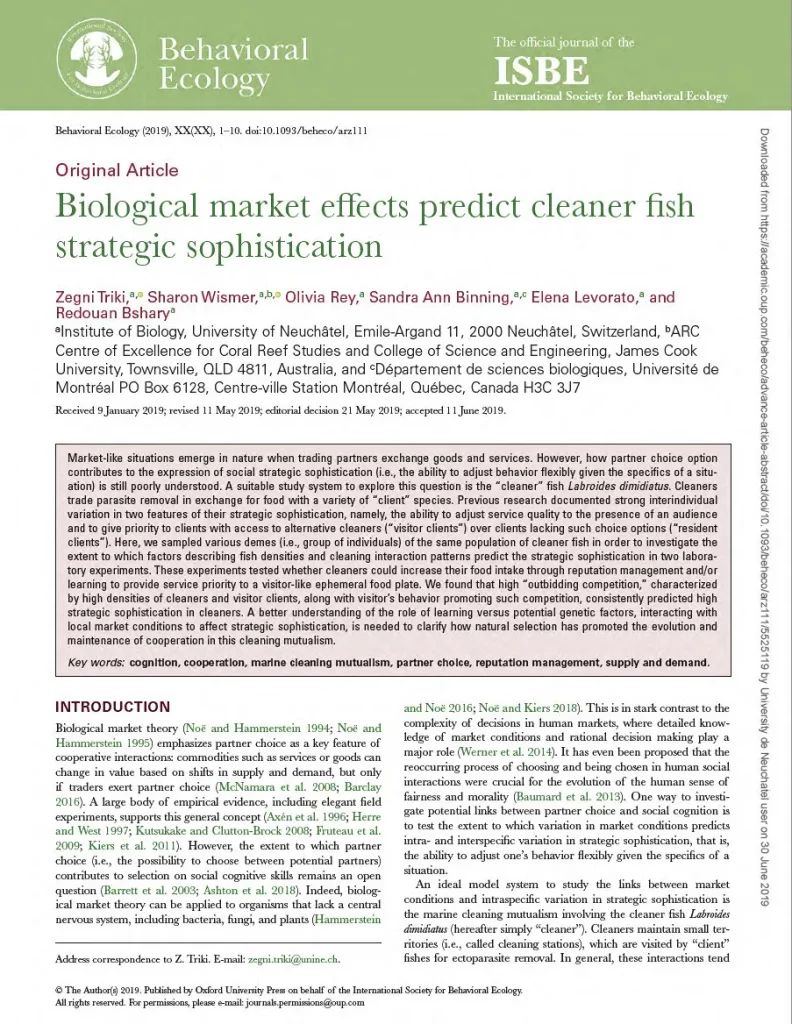
My postgraduate research focused primarily on the behavioural strategies of bluestreak cleaner wrasse (Labroides dimidiatus) – one of the ocean’s most clever fishes! Cleaner wrasse live on coral reefs across the Indo-Pacific Ocean and maintain territories called ‘cleaning stations’. As their name suggests, cleaner wrasse clean and remove ectoparasites from so-called fish clients.
While the relationship is mutualistic – the cleaner fish gets food and the client gets health benefits from being cleaned – cleaner wrasse also bite by removing fish mucus and scales! This is considered cheating.
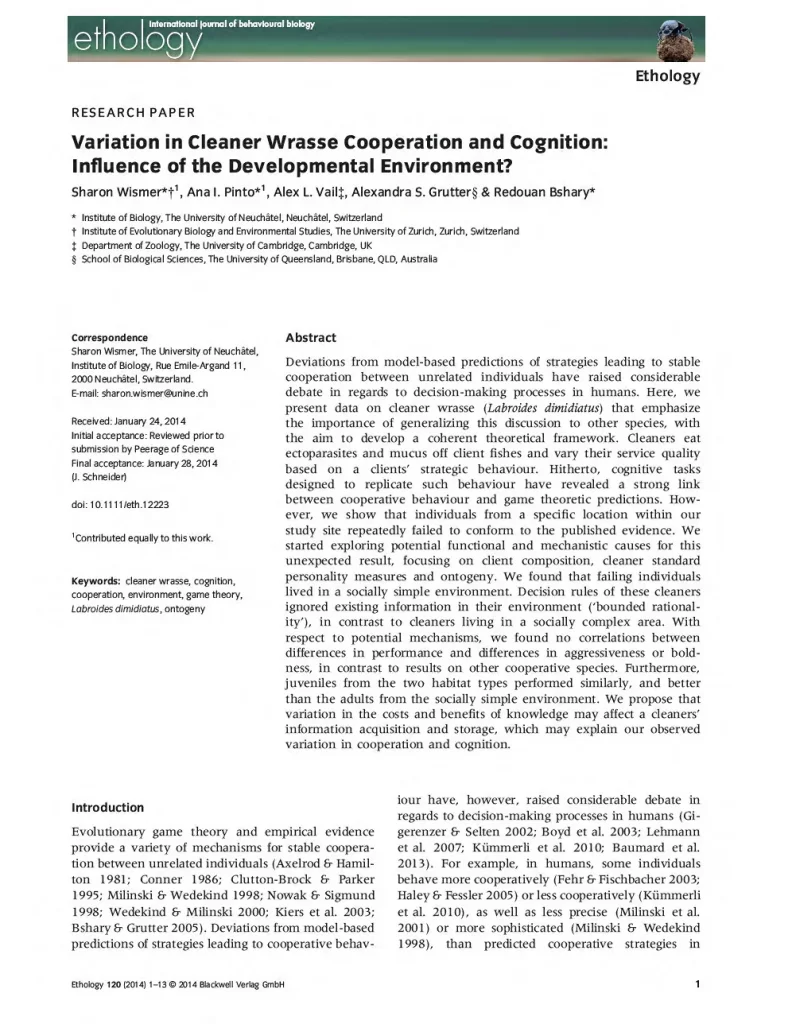
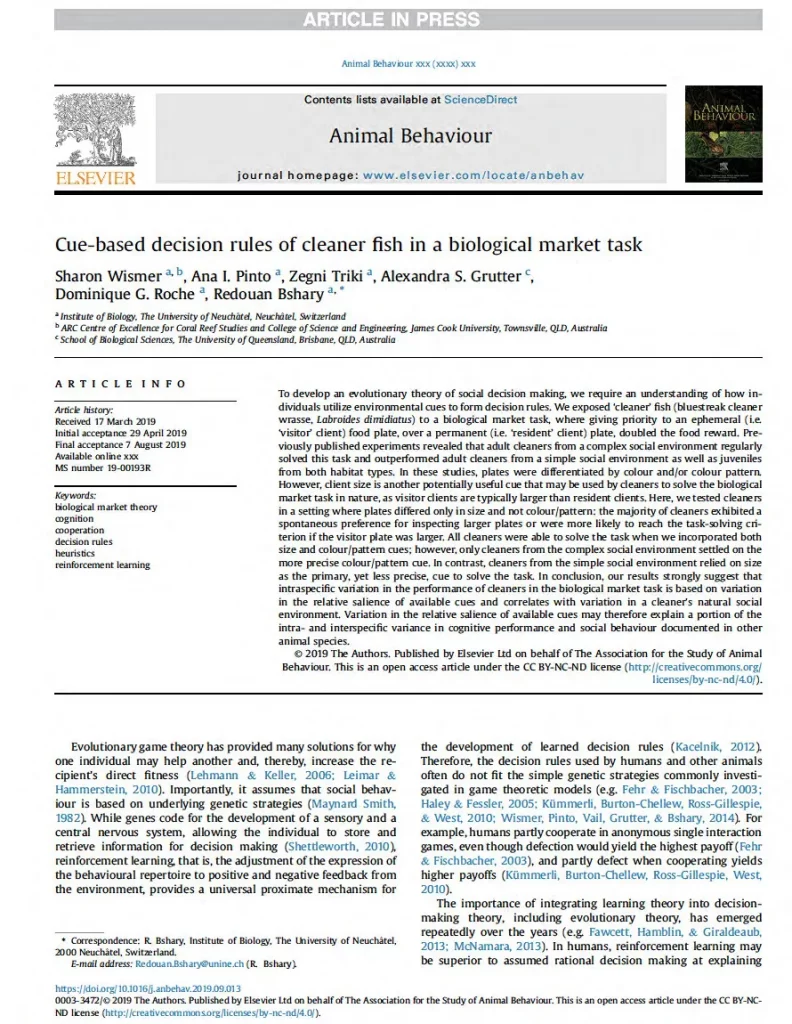
Using cleaner wrasse as a model system for cooperation, I investigated important mismatches between standard theoretical predictions regarding animal decisions during cooperative interactions and experimental data, and explored how well cleaner wrasse are able to identify and use relevant cues for decision making.
2. Postdoc research
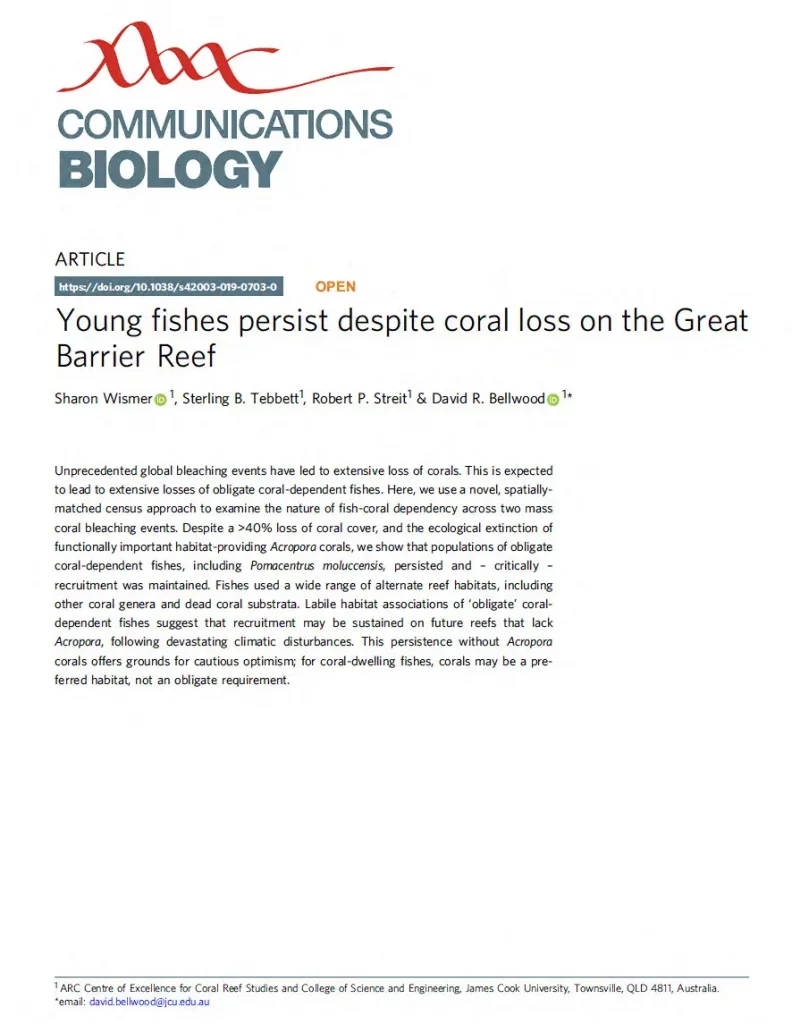
During my postdoctoral studies, I investigated
the impacts of mass coral bleaching on
coral-associated reef fishes.
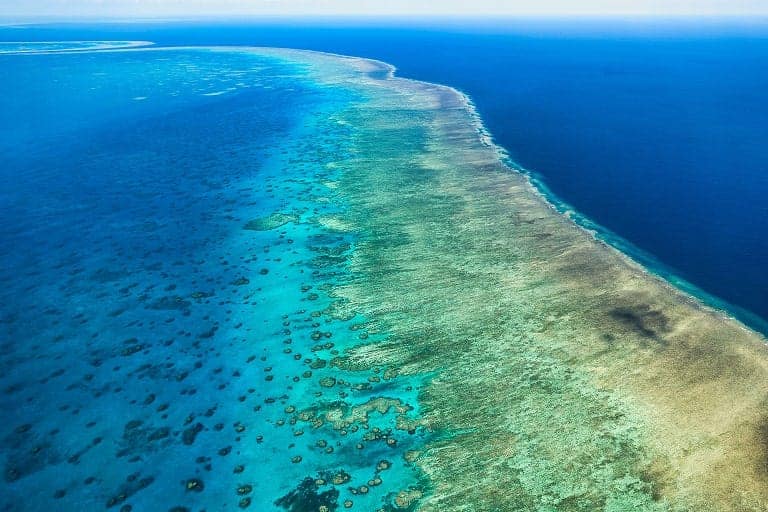
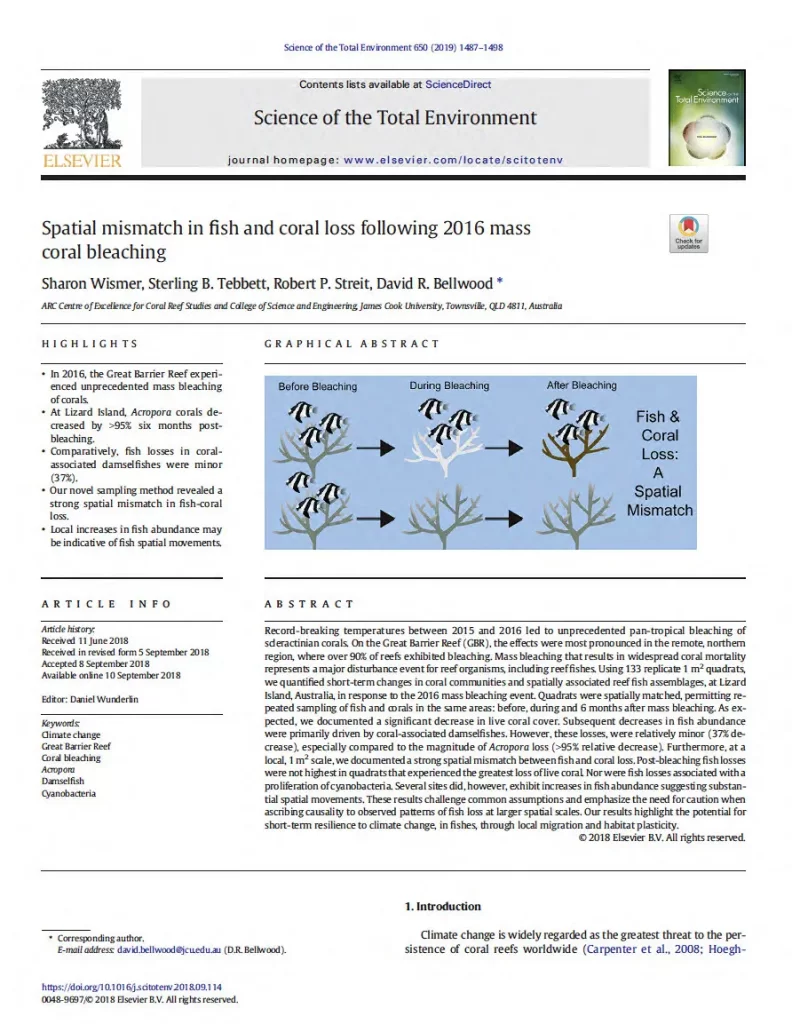
Mass bleaching events occur when the symbiotic relationship between corals and their photosynthetic algae breaks down in response to prolonged, elevated water temperatures during marine heat waves. These events are climate driven and are sadly increasing in frequency. Widespread coral mortality often follows bleaching events and represents a major disturbance event for reef organisms, especially for reef fishes that depend on corals for food or shelter.
Using replicate photo quadrats that were spatially-matched across time, we quantified the response of fishes and corals to mass bleaching before, during and after the 2016 mass bleaching event on the Great Barrier Reef.
Scientific Publications
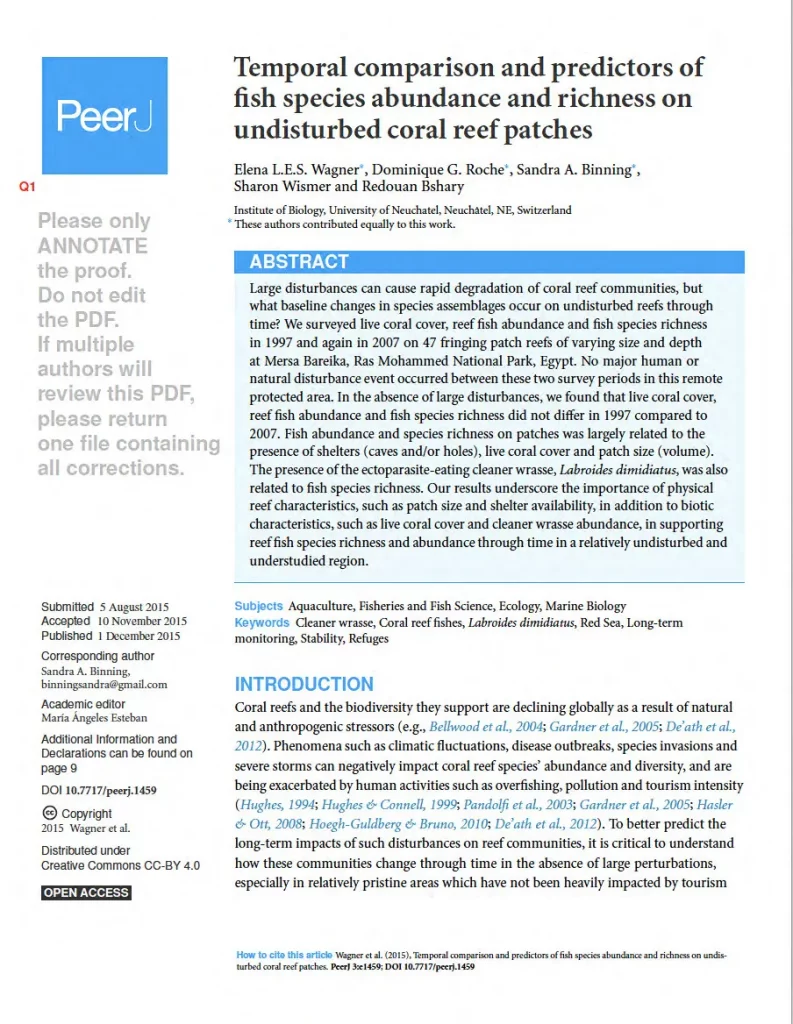
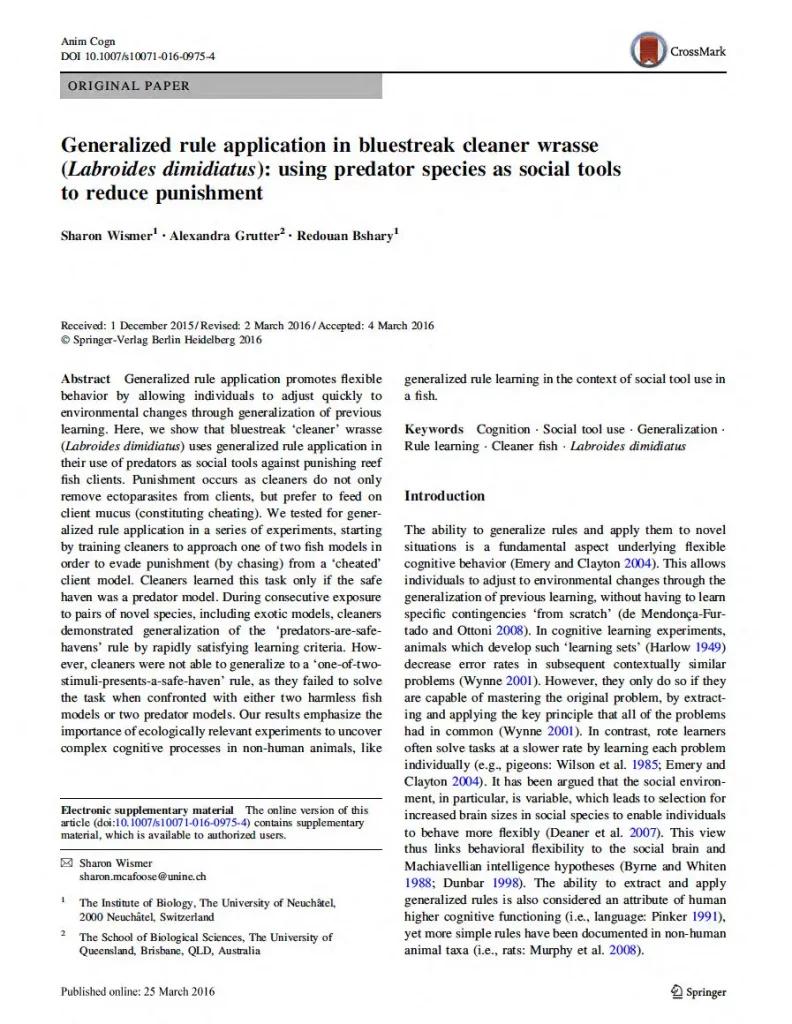
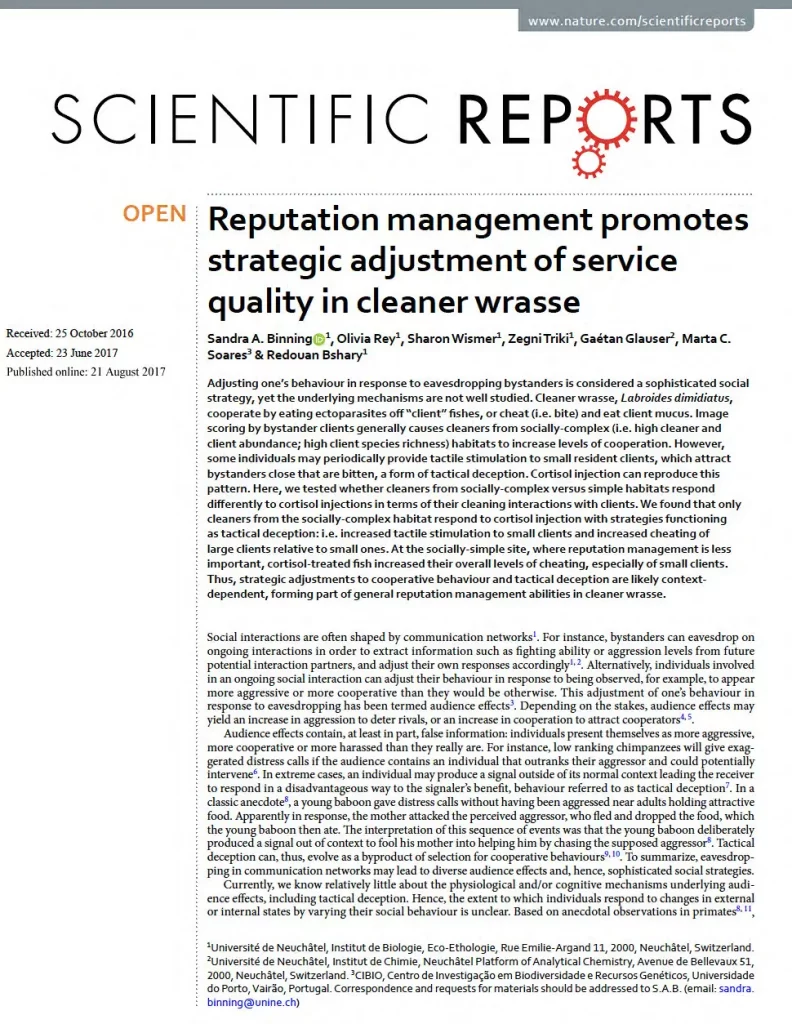
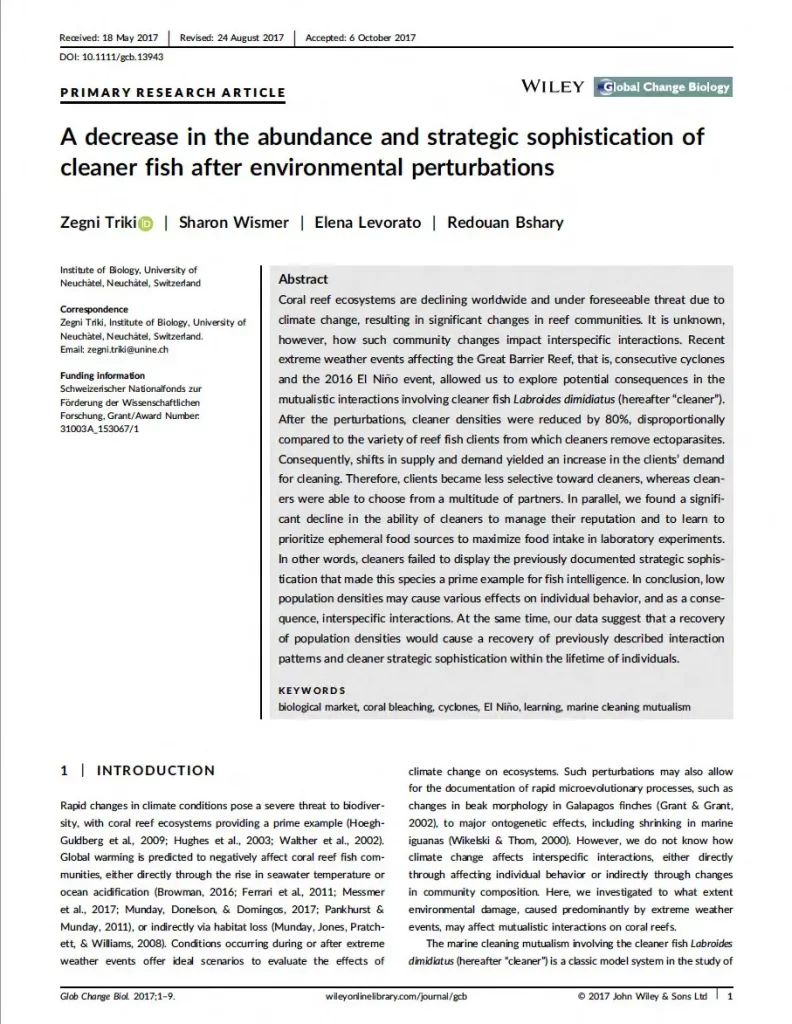
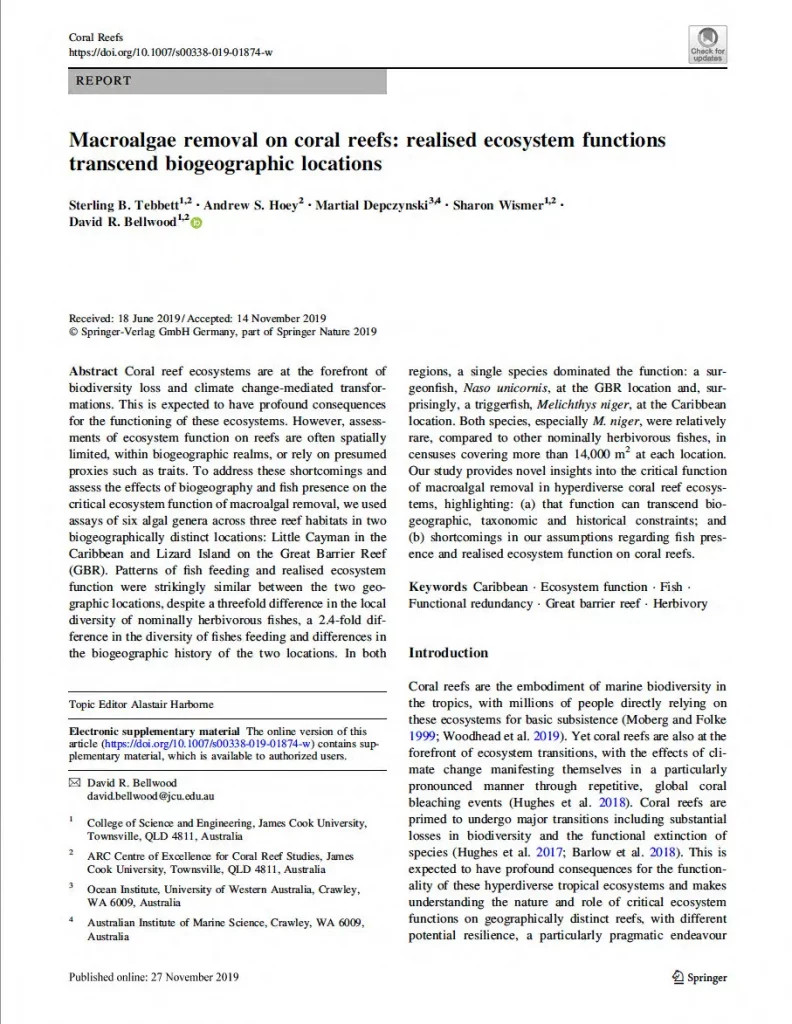
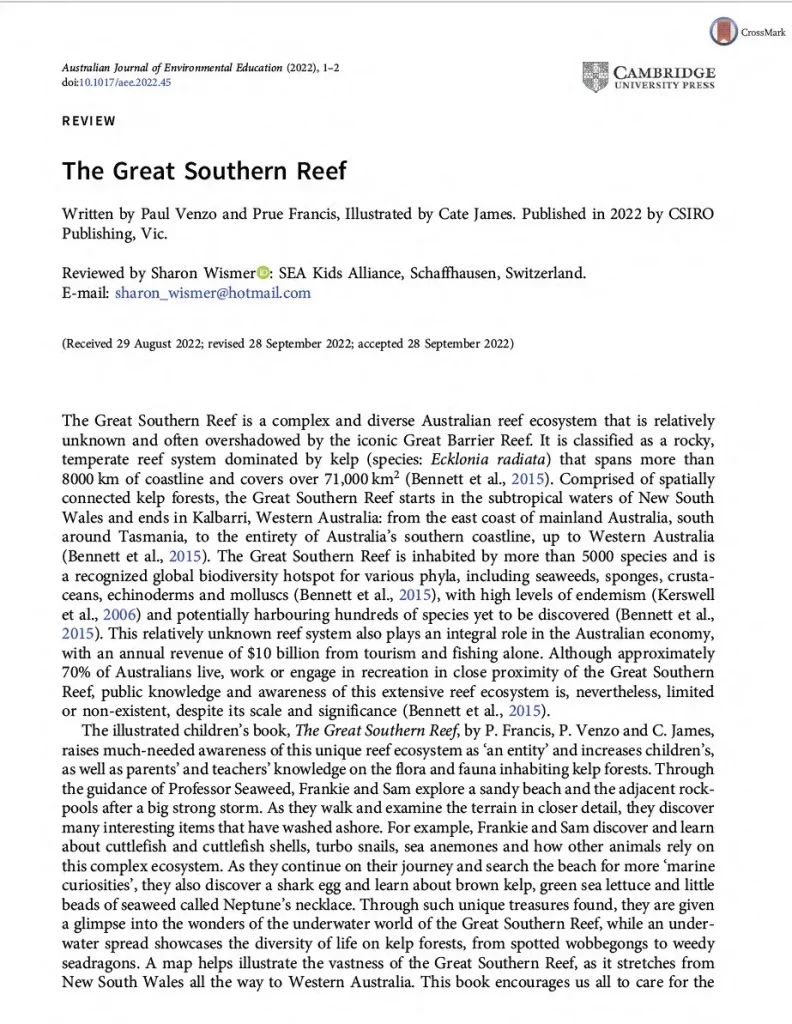
Check out my books here
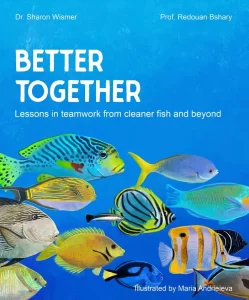
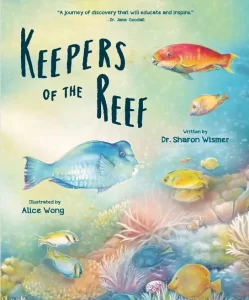
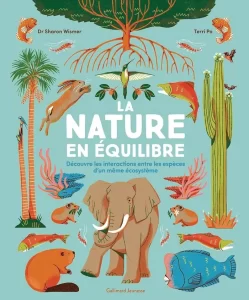
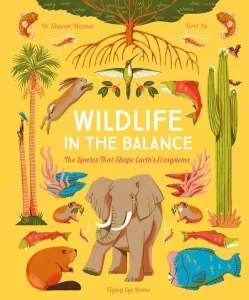
Awards, Prizes & Funding
animals and nature category
shortlisted
children’s non-fiction category
longlisted
AGORA Science Communications Grant
GEBA: Green Earth Book Award
Shortlisted
Postdoctoral Fellowship
(advanced career)
Postdoctoral Fellowship
(early career)
La Commission Egalité
Research & Travel Grant
Best presentation, 2nd prize
Annual PhD student meeting
Lizard Island
Doctoral Fellowship
MSc Degree Summa Cum Laude Graduate
(5.9/6) GPA
MSc Stipendien
MSc Research Travel Grant
MSc Stipendien
Joe and Val Baker Prize
Highest achieving marine biology graduate
Golden Key International Honour Society
Top 15% of student body Status maintained during BSc